HVAC · the USA
Cobra HVAC maps each system on site rather than using a fixed checklist. Tools are selected to fit the duct sizes present, and collection equipment stays attached until readings show airflow has returned to the expected range for that equipment.
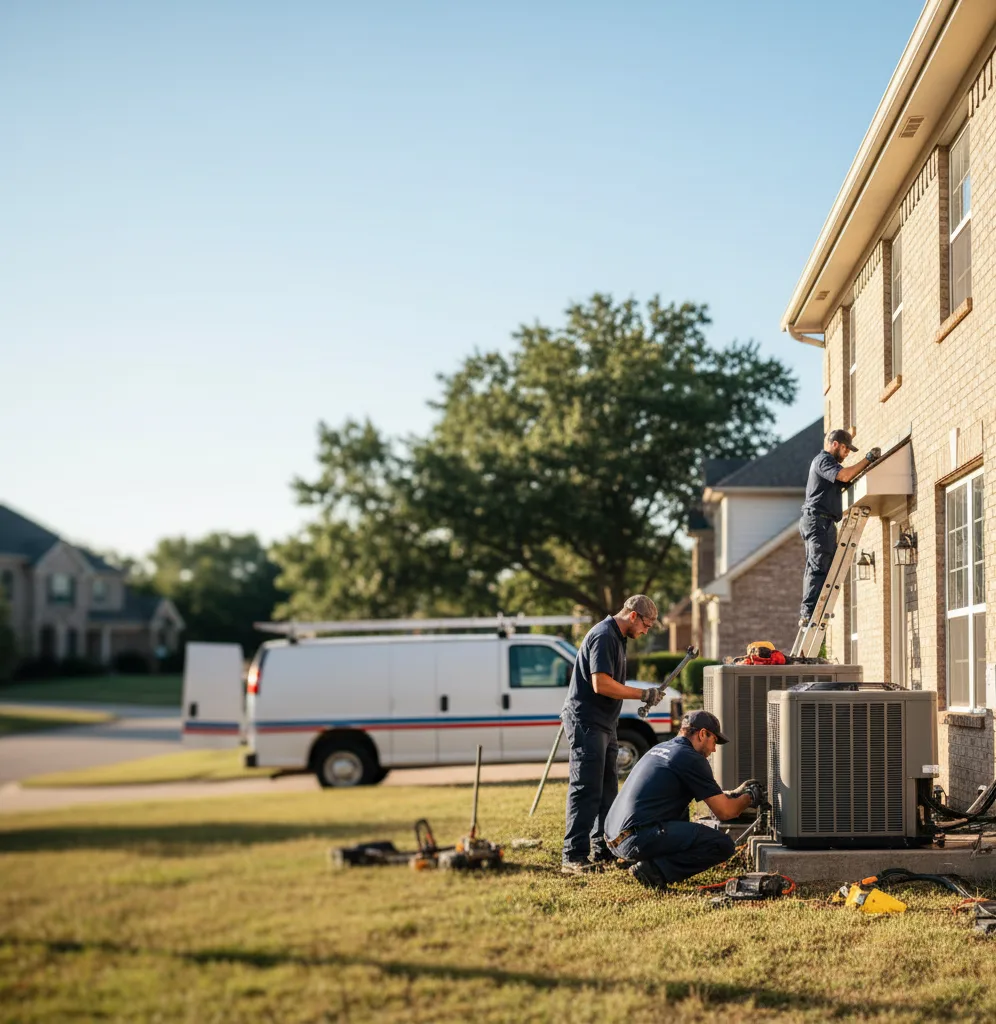
Duct systems collect dust, pet dander, and construction residue over time. When these materials build up along interior walls, the openings narrow and fans must work harder to move the same volume of air. Technicians start by removing access panels at the main trunk lines and at key branch points. They use cameras to record the condition of straight runs and elbows where particles tend to settle. Once the extent of accumulation is documented, brushes sized to each duct diameter are fed through the lines while negative pressure is applied at the return. This combination loosens material and draws it into collection equipment rather than redistributing it into living spaces. Filters at the air handler are replaced at the same visit so newly cleaned ducts do not immediately pull from a loaded filter.
Elbows, transitions, and the first few feet after the air handler often show the heaviest deposits because air changes direction or slows. Homeowners may notice uneven temperatures between rooms or a musty smell when the heating system starts. These signs point to partial blockages rather than equipment failure. A visual check of supply registers can reveal gray or black streaks around the edges, indicating that material is moving past the filter. Checking the return grille for similar discoloration provides a second data point. When both supply and return sides show visible residue, the entire loop usually requires attention rather than a single section.
FAQ

Short cycling often comes from an oversized system, a dirty filter that restricts airflow, or a failing thermostat that misreads room temperature. The technician checks the temperature split across the coils and reviews the recent run times logged by the control board. Once the cause is identified the repair focuses on restoring steady operation rather than masking the symptom.
The price depends on the location of the leak, whether access requires removing panels or moving ductwork, and how much refrigerant must be recovered and replaced. Small leaks in accessible lines are often less expensive than those inside the coil itself. A full diagnosis is needed before an accurate range can be given.
Most filters slide out from a marked compartment near the indoor unit and can be swapped without tools. If the system still runs poorly after a new filter is installed, the next step is a check of the blower wheel and evaporator coil for deeper buildup. A service call then confirms whether the issue is limited to airflow or something further in the refrigeration circuit.